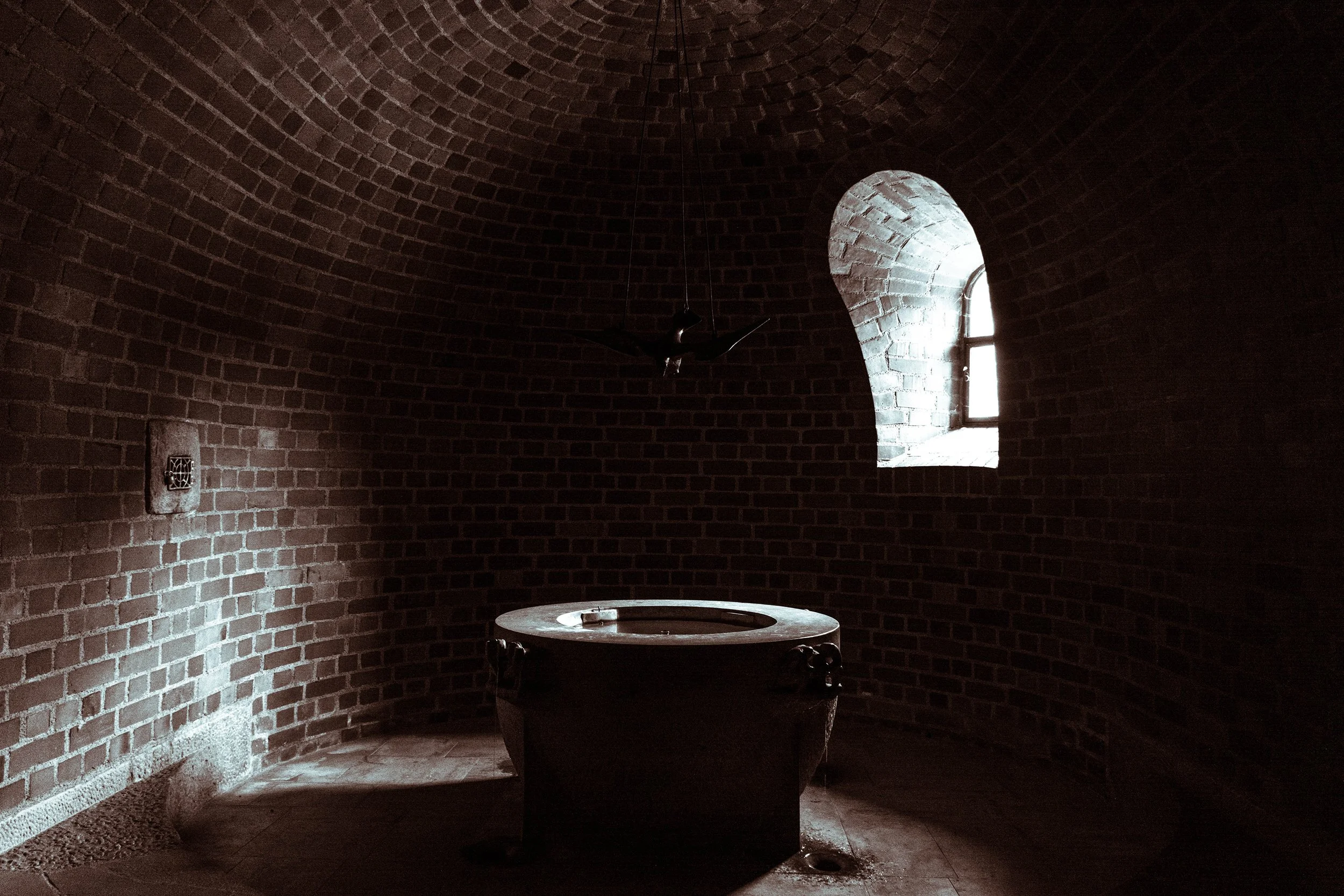
Setting the Foundation for the Sacred
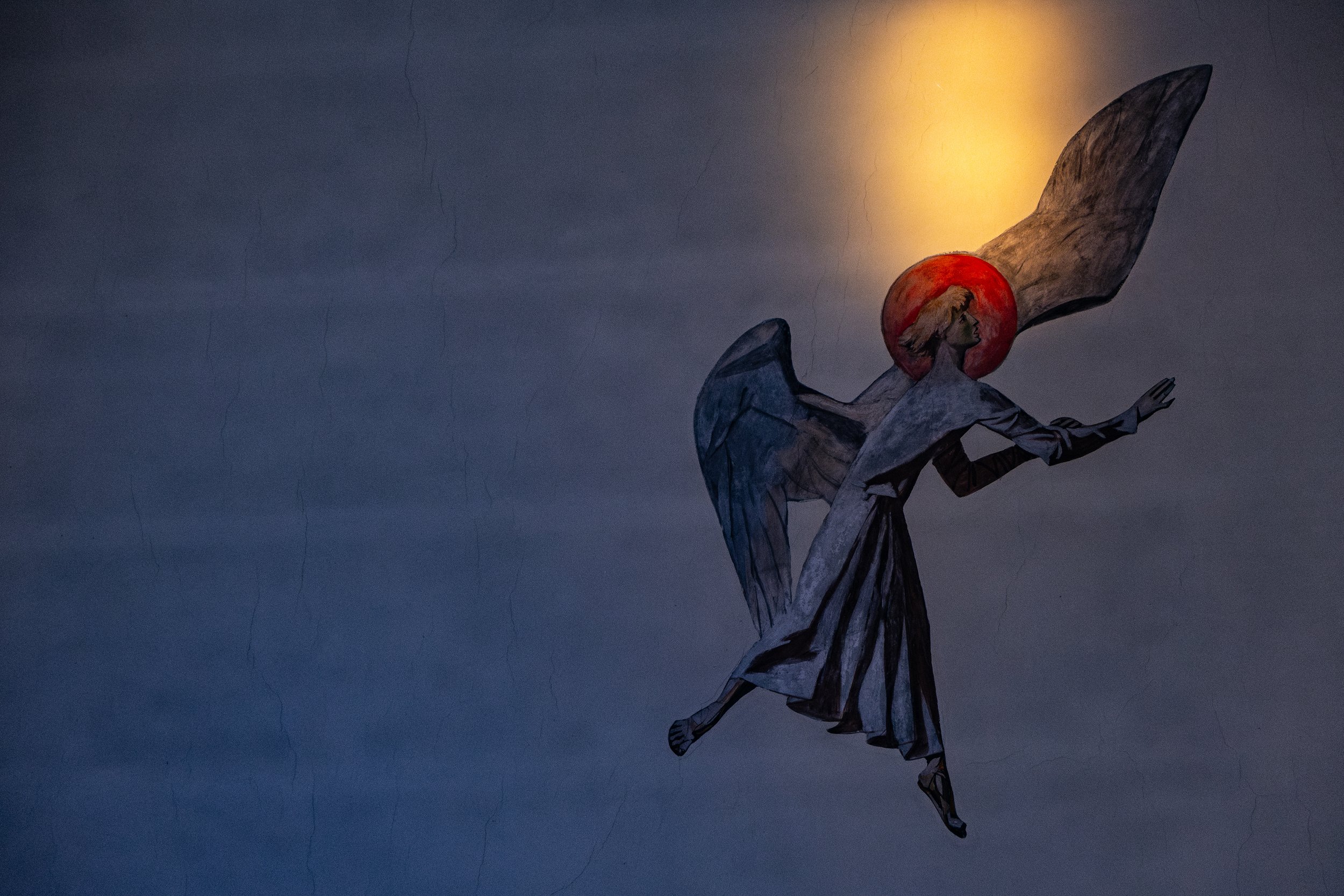
Where a community worships is more than just a building; it is the most visible expression of its devotion, beliefs, and understanding of the divine.
We help communities of all faiths at the very beginning of their building process. Before the architect, before the contractor, we accompany you on this pilgrimage, listening, educating, and advising.
Who is Other Light?
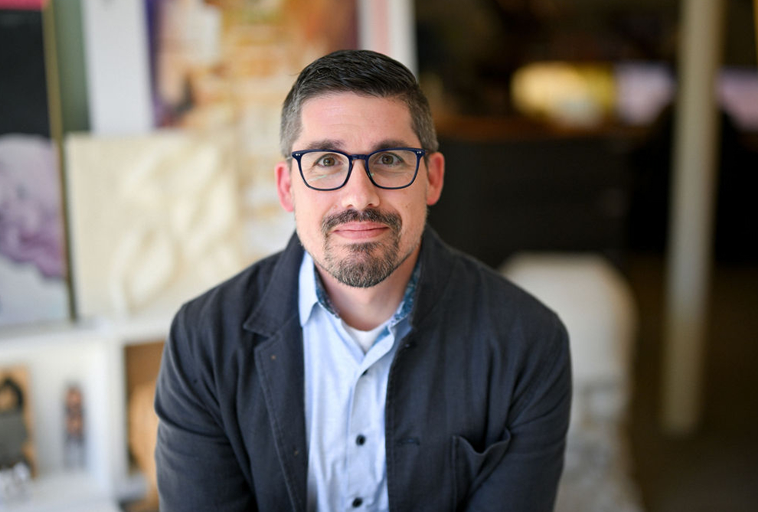
Stephen Szutenbach, AIA
I have dedicated the last two decades of my life to designing hospitals, places built for the most sacred moments in life: birth, illness, death. Long before it breaks ground, a hospital's success is decided by a different discipline: aligning physicians, administrators, and boards around patient care and what a space actually needs to do. I've done that from both sides of the table, as the architect hired to design and deliver it, and as the owner responsible for getting it right. A sanctuary is not a hospital. But guiding a community through a high-stakes, emotionally significant building project, listening first, naming the real needs, then discerning who is called to carry them forward, is the same work.
I founded Other Light out of a lifelong, deeply personal pilgrimage to discover, experience, and create sacred space. From my earliest memories, playing under the pews during my parents' choir practices, to late-night vigils in a darkened seminary chapel, to all-nighters in the practice of architecture, I have consistently been drawn to the places where my soul and body find peace. That pilgrimage continues in two books I'm writing now, an atlas of mid-century modern churches and a field guide to 21st-century sacred space, both shaped by the same belief: namely, that a space is never sacred in itself, but becomes sacred through the repeated acts of love, devotion, and sacrifice of the community that inhabits it.
But the vessels that serve those acts best all share the same convictions:
Beauty, drawn from place and people, not decorations added as an afterthought.
Honest reflection of a community's real history and real needs.
Authenticity of materials and artistic forms, drawn directly from that honesty.
My role, whether guiding hospital leaders or faith communities, is to listen educate and advise.
Services
My purpose is not to impose form, but to guide your community through the sacred, complex act of defining your space.
Visioning Workshops
Structured conversations that help your community name what it actually needs, before any design begins.
Site Visits
Guided visits to precedent spaces that help your community see, not just imagine, what's possible.
Planning + Programming
Guidance through choosing and directing the design team suited to carry your vision forward.
Design Team Selection
A rigorous assessment of your needs and constraints, translated into a program an architect can act on.
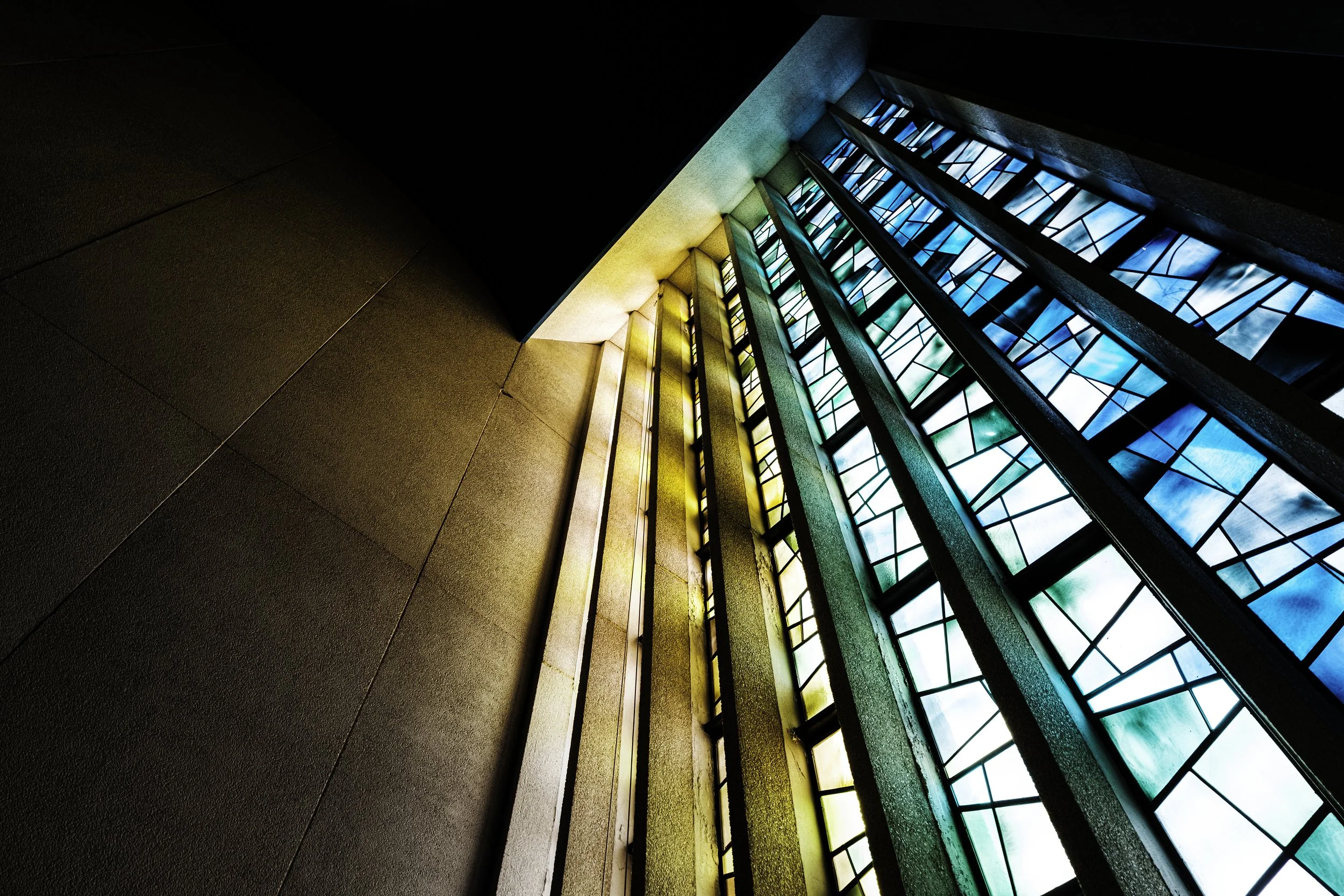
What Does Other Light Mean?
What is other may be encountered. But it cannot be captured.
There is a kind of understanding that never leaves home; it meets a stranger and quietly translates them into someone already familiar, folding everything it encounters back into its own shape until nothing unexpected is left.
And there is another kind: an understanding that meets a stranger, a history, a grief, a hope, with receptivity rather than revulsion, acknowledging that in the other there is something it cannot fully hold or understand.
Otherness is unknown; it is mystery; it is darkness pierced by a sublime light. Nearly every tradition has its own way of naming that light. Christians sing Lumen Christi into a darkened church at the Easter Vigil. Jewish mysticism speaks of Ohr Ein Sof, the light without end. Sufi poets name it Nur, the light of the unseen.
Each names a light that comes from outside the self, one the self did not generate and cannot take credit for.